

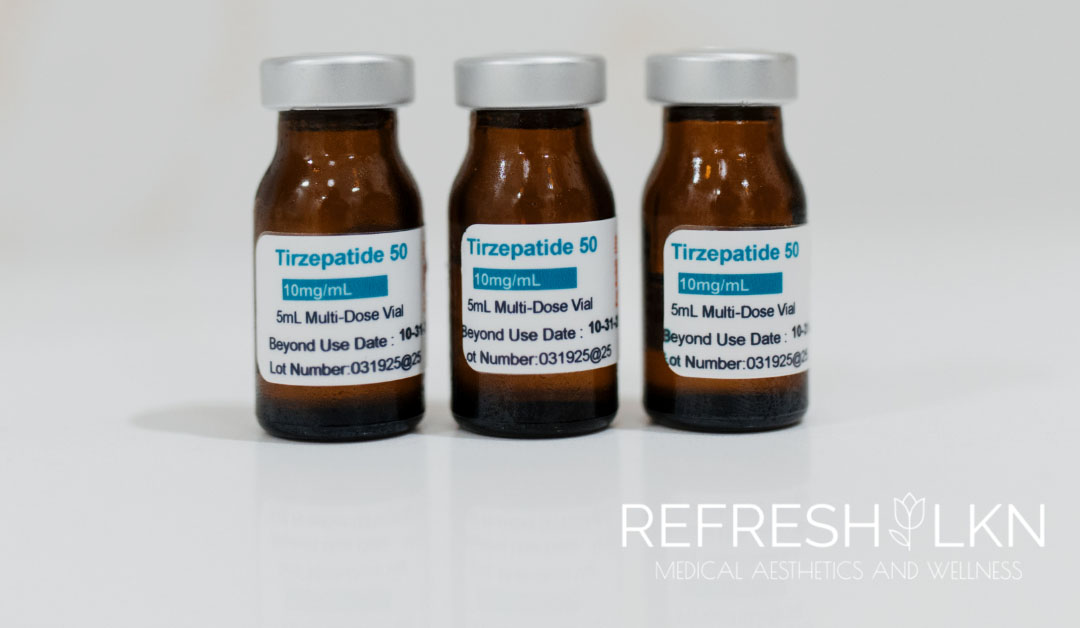
If you’ve started a GLP-1-based weight-loss therapy and noticed more hair in your brush or shower drain, you’re not alone.
Hair shedding is a concern many people have during significant weight loss. But there’s an important distinction to understand:
Hair loss during GLP-1-based weight loss is not necessarily caused directly by the medication.
In many cases, the bigger factor may be the body’s response to rapid or significant weight loss.
Understanding why this happens—and what you can do about it—can help you protect your nutrition, your health, and your long-term results.
Why Can Hair Shedding Happen During Weight Loss?
Your hair follicles are constantly moving through different phases of growth and rest.
When the body experiences a significant physical stressor, some hairs can shift prematurely from the active growth phase into a resting phase. Several months later, those hairs may shed.
This temporary type of shedding is called telogen effluvium.
Rapid weight loss, significant calorie restriction, inadequate protein intake, illness, surgery, hormonal changes, and nutritional deficiencies can all contribute to this process.
That means the connection between GLP-1 therapy and hair shedding may be more complicated than simply saying, “The medication caused my hair loss.”
Why Does Hair Loss Sometimes Show Up Months Later?
This is one reason hair loss during weight loss can be confusing.
The trigger may happen weeks or months before you actually notice increased shedding.
You may have started losing weight successfully and then suddenly notice more hair coming out in the shower.
That doesn’t necessarily mean something changed recently.
Hair growth operates on a delayed timeline, so the shedding you see today may reflect something that happened several months earlier.
Is GLP-1-Associated Hair Loss Permanent?
In cases where shedding is related to temporary telogen effluvium, the hair cycle can often recover after the underlying trigger is addressed.
However, not every case of hair loss is the same.
Hair thinning can also be related to genetics, hormonal changes, thyroid dysfunction, iron deficiency, nutritional deficiencies, certain medications, autoimmune conditions, and other causes.
That’s why persistent or significant hair loss deserves an individualized evaluation rather than an assumption that the GLP-1 is responsible.
Nutrition Matters During Weight Loss
One of the biggest mistakes during weight loss is focusing exclusively on the number on the scale.
Your body still needs adequate nutrition to support muscle, hormones, skin, hair, and overall health.
When appetite decreases significantly, it can become surprisingly easy to consume too little protein or too few calories.
During a weight-loss program, your nutritional needs should be considered as part of the overall plan.
Important considerations may include:
- Adequate protein intake
- Overall calorie intake
- Iron status
- Vitamin B12
- Vitamin D
- Zinc
- Folate
- Thyroid function
- Other nutritional or metabolic factors when clinically appropriate
The right evaluation depends on your individual history and symptoms.
Protein Is Particularly Important
Protein is essential for maintaining muscle and supporting many functions throughout the body.
When appetite is reduced, protein intake can sometimes fall without the person realizing it.
A well-designed weight-loss plan should therefore consider what you’re eating—not just how much weight you’re losing.
Your individual protein needs depend on factors such as body size, activity level, age, health status, and weight-loss goals.
What Can You Do If You’re Experiencing Hair Shedding?
First, don’t panic.
If you’re experiencing increased shedding after significant weight loss, discuss it with your healthcare provider.
The appropriate approach may include reviewing:
- How quickly you’ve been losing weight
- Your daily protein and calorie intake
- Your medications and supplements
- Your menstrual or hormonal history when relevant
- Recent illnesses or major stressors
- Your thyroid status
- Iron and other nutritional markers when clinically appropriate
- The pattern and duration of your hair loss
The goal is to identify the why, rather than simply treating the symptom.
When Should You Be Concerned?
Talk with a healthcare professional if your hair loss is:
- Persistent or progressively worsening
- Producing noticeable thinning or bald patches
- Associated with scalp changes
- Accompanied by other unexplained symptoms
- Occurring without an obvious trigger
- Causing significant concern
Sudden or unusual hair loss shouldn’t automatically be attributed to weight-loss therapy.
The Bigger Picture: Weight Loss Shouldn’t Come at the Expense of Wellness
Successful weight management is about more than losing pounds.
At REFRESH LKN, we believe a comprehensive approach considers the whole person—including nutrition, metabolic health, hormones, lifestyle, and how you feel throughout the process.
GLP-1-based therapies can be an effective component of a medically supervised weight-management plan for appropriate patients. But the goal isn’t simply to make the scale move.
The goal is to improve health while preserving what matters.
That includes muscle, nutrition, energy, confidence, and overall well-being.
GLP-1 & Hair Loss FAQs
Do GLP-1 medications cause hair loss?
Hair shedding has been reported during treatment with GLP-1-based therapies, but the relationship is complex. Significant or rapid weight loss itself can trigger temporary hair shedding, making it difficult to attribute hair loss solely to the medication.
Will my hair grow back?
When shedding is caused by a temporary trigger such as rapid weight loss, hair growth can often recover over time. However, persistent hair loss may have another underlying cause and should be evaluated.
How long does hair shedding last?
The timeline varies. Hair growth is slow, and recovery can take months after the underlying trigger has been addressed.
Should I stop my GLP-1 because of hair loss?
Don’t stop a prescribed medication without discussing it with your healthcare provider. Your provider can help determine whether your treatment, rate of weight loss, nutrition, or another factor may be contributing.
What should I eat to support my hair during weight loss?
Prioritize adequate protein and overall nutrition. Depending on your individual circumstances, your provider may also evaluate nutrients such as iron, vitamin B12, vitamin D, zinc, and folate.
Your Weight-Loss Journey Should Be About More Than the Scale
If you’re using GLP-1-based therapy and experiencing changes in your hair, energy, appetite, or overall well-being, don’t ignore them.
A thoughtful weight-management program should look beyond the scale to understand how your body is responding.
At REFRESH LKN Medical Aesthetics & Wellness, our approach is designed to look at the bigger picture—because sustainable transformation is about more than a number.
Ready to take a more comprehensive approach to your wellness? Schedule a consultation with REFRESH LKN.